
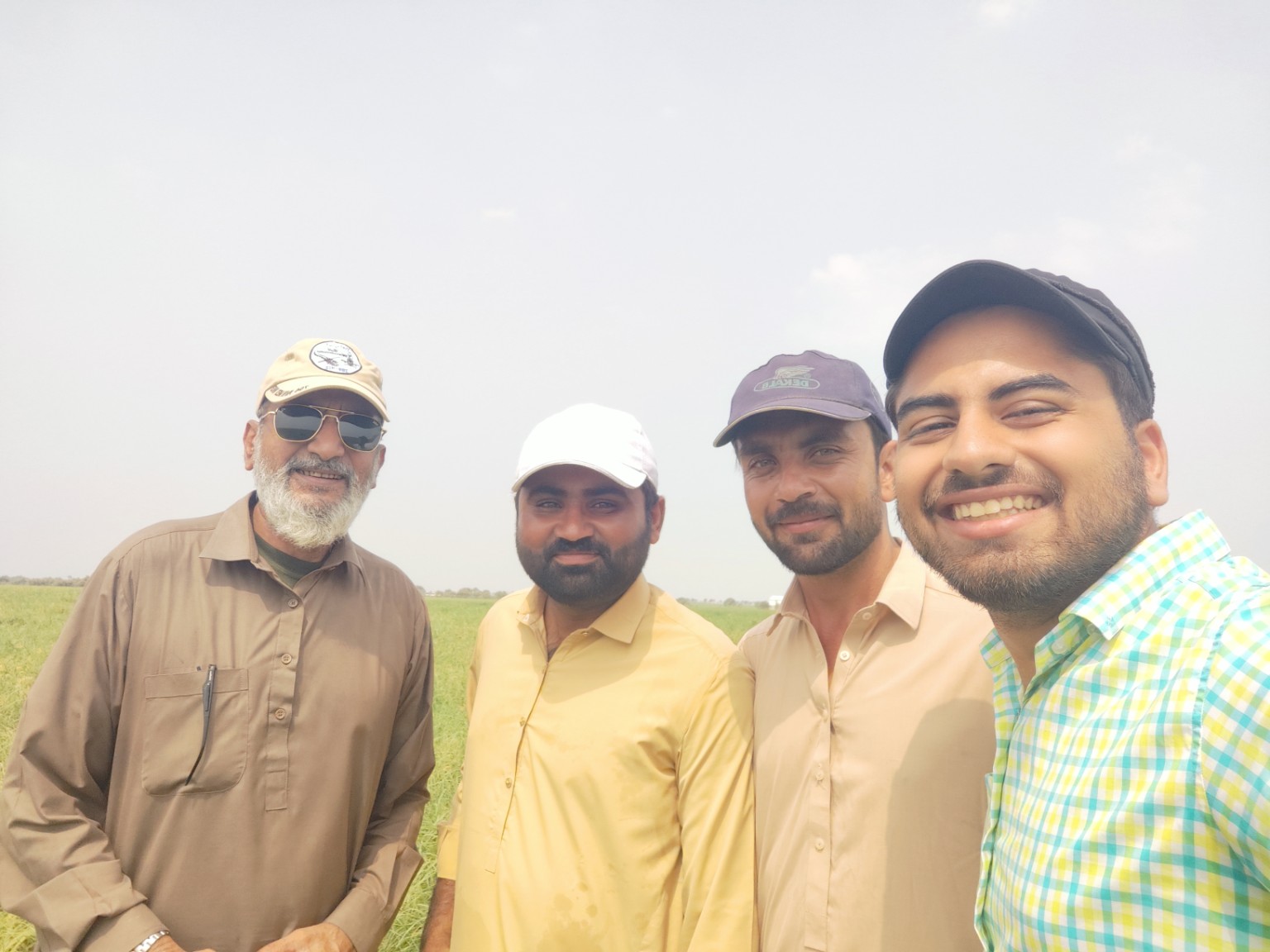
My work is built around a complete chain. I grow and trade crops, study the residues left behind, and work to turn suitable material into biomass fuel. This is more useful than treating agriculture, waste management and energy as separate industries.
The chain begins on the farm
Residue is not free. It may protect soil, feed animals or have an existing local use. Responsible collection begins by understanding what can be removed without harming the next crop or competing with a better use.
Recovery creates a new rural service economy
Collection requires people, baling or aggregation, transport, moisture control and storage. Those activities can create rural income before a pellet reaches the factory. They also fail quickly when logistics are designed from a city spreadsheet rather than around harvest timing, road access and farmer incentives.
Farmers need transparent measurement and prompt payment. Aggregators need dependable demand. Producers need feedstock contracts that account for seasonality. Industry needs consistent fuel. The chain works only when value and risk are shared fairly.
Conversion must produce a dependable fuel
At the plant, incoming material is cleaned, dried when necessary, reduced to an appropriate particle size and densified. Good process control matters because variations in moisture and feedstock can affect durability, fines and energy performance.
Pelletisation is not the final outcome. The outcome is usable heat delivered reliably. Producers therefore need feedback from boilers and stove users, not only production figures from the mill.
What success should be measured by
Tonnes produced matter, but they are not enough. A serious circular biomass programme should measure farmer income, direct and indirect jobs, residue diverted from harmful disposal, fossil fuel displaced, verified emissions, equipment uptime and the share of value retained in rural districts.
My long-term vision is diesel-free agriculture supported by renewable power, better water use and productive markets for residues. The goal is a rural economy that produces food and energy while creating dignified work.
COMMON QUESTIONS
Frequently asked
Can every crop residue become a pellet?
No. Technical suitability, competing uses, soil needs, contamination, moisture and collection economics must all be assessed.
Why pelletise loose biomass?
Densification can improve handling, storage, transport and automated feeding, although it also adds processing cost and energy use.