
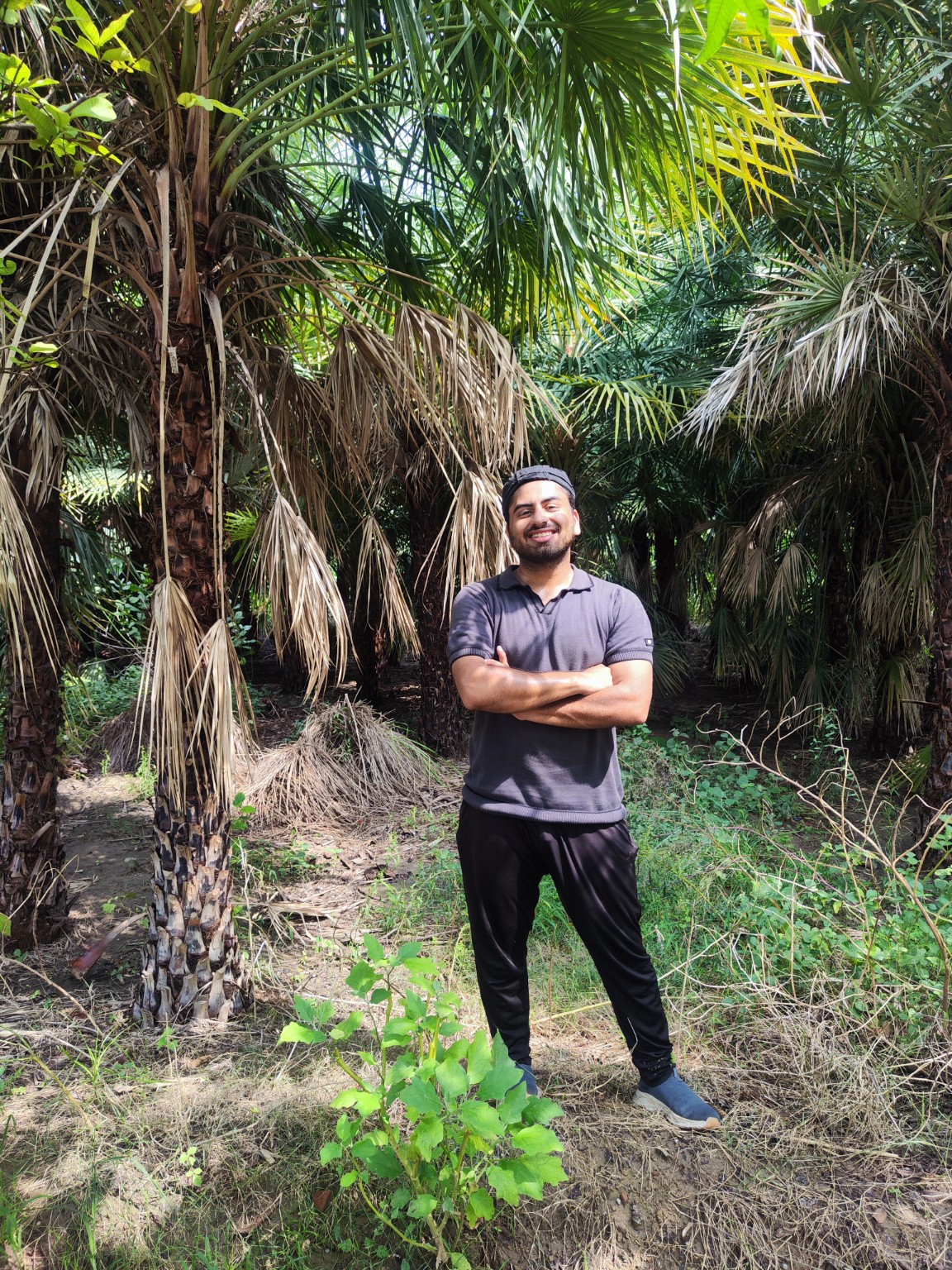
Eco Harvest successfully grew its first quinoa crop in Cholistan while working with high-TDS water. It was an encouraging milestone, but responsible field reporting must go further than a harvest photograph.
A crop is not proof of a system
The real questions are yield, water quality over time, soil salinity, amendment requirements, input cost, market price and whether the result can be repeated without degrading the land.
Why quinoa was worth testing
Quinoa is known for tolerance to difficult conditions relative to many conventional crops, but variety selection and local management still matter. A pilot helps test germination, irrigation timing, pest pressure, harvest practice and buyer interest under actual Cholistan conditions.
Trials should include baseline and follow-up soil tests, recorded irrigation water analysis and comparison plots where possible. That turns experience into knowledge other farmers can evaluate.
The larger arid-land mission
Cholistan should not be approached as empty land waiting for a fashionable crop. Water, ecology, grazing patterns and local livelihoods must shape every project. Productive development means achieving economic value without hiding long-term environmental cost.
Our aim is to combine crop trials, efficient energy, careful water use and commercial discipline. We will publish stronger numbers as the work matures because credible agriculture is built season by season.
Related source: Eco Harvest project update ↗
COMMON QUESTIONS
Frequently asked
Can quinoa grow with saline water?
Some varieties show salt tolerance, but results depend on salinity level, soil, climate and management. A local trial and ongoing soil monitoring are essential.
Does this mean all Cholistan land is suitable for crops?
No. Suitability must be assessed site by site, including water balance, soil, ecology, economics and local use.